Top 10 Benefits of Laminated FIBC Bags for Global Buyers

laminated FIBC bags are increasingly popular among global buyers. These bags are designed to offer enhanced protection and durability for bulk materials. Their unique structure combines woven polypropylene with a lamination process. This results in a water-resistant and tear-resistant product, ideal for various industries.

One of the main advantages of laminated FIBC bags is their ability to safeguard contents from moisture and contaminants. This is crucial for agricultural products, chemicals, and food-grade materials. Moreover, these bags provide excellent load-bearing capacity, reducing the risk of breakage during transport. However, buyers must consider factors like storage conditions and product compatibility when choosing laminated options.

While many companies benefit from laminated FIBC bags, not all applications require such advanced features. Some buyers may overlook alternatives that could suffice at a lower cost. It's essential for buyers to evaluate their specific needs rather than adhering to trends blindly. Understanding the unique benefits and potential drawbacks of laminated FIBC bags will lead to smarter purchasing decisions.
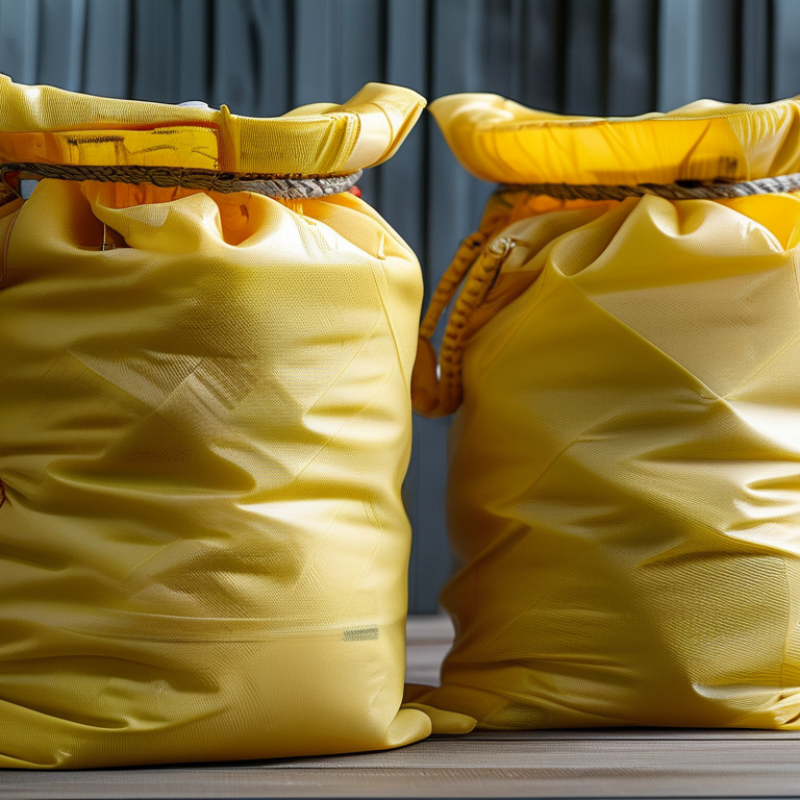
Top 10 Benefits of Laminated FIBC Bags for Global Buyers

Benefits of Laminated FIBC Bags in Reducing Contamination Risks

Laminated FIBC bags offer significant advantages in reducing contamination risks. These bags are designed with a durable laminated surface that prevents moisture and dust infiltration. According to recent industry reports, up to 80% of contaminations in bulk handling can be traced back to packaging failures. By using laminated FIBC bags, companies can significantly mitigate this risk.

Choosing the right packaging can impact product quality. Laminated FIBC bags provide a barrier against environmental contaminants. They are particularly useful for industries where hygiene is critical, such as food and pharmaceuticals. A study indicates that switching to laminated FIBC bags can lead to a 30% reduction in contamination reports.

Tip: Always inspect the integrity of FIBC bags before use. Damage or wear can compromise their protective qualities. Also, consider using laminated bags for long-term storage of sensitive materials. They are not only effective but also cost-efficient.

Contamination risks are not just a concern for manufacturers but also for consumers. Trust in a product can wane if safety is compromised. Proper training on handling and storing laminated FIBC bags is crucial. Businesses must remain vigilant about packaging choices and their potential impact on product safety. Choosing laminated options helps maintain industry standards and should be prioritized in quality control processes.

Cost-Effectiveness of Laminated FIBC Bags for International Shipping

Laminated FIBC bags are gaining popularity due to their cost-effectiveness in international shipping. According to industry reports, these bags can reduce packing costs by up to 20%. This is significant for companies that import and export bulk goods. The laminated material provides added strength while keeping the weight low.

These bags are often more durable than traditional options. They can withstand harsh environmental conditions, reducing the risk of product loss during transportation. Ease of handling is another advantage. Many laminated FIBC bags come with features like lifting loops, which enhance loading efficiency.

In a recent analysis, it was revealed that using laminated bags can lead to a decrease in shipping damages by as much as 30%. This reduction not only saves costs but also enhances reliability across the supply chain. While laminated bags are more expensive upfront, the long-term savings justify the investment. These figures are worth considering for any global buyer looking to optimize their shipping processes.

Impact of Laminated FIBC Bags on Load Stability and Weight Distribution

Laminated FIBC (Flexible Intermediate Bulk Container) bags are increasingly popular among global buyers. Their design significantly enhances load stability and weight distribution during transport. When properly filled, these bags maintain their shape, preventing spills and reducing damage to contents. Their laminated surfaces provide extra strength and water resistance, which is crucial in adverse conditions.

The impact on weight distribution is particularly noteworthy. Laminated FIBC bags can carry heavier loads without compromising safety. This allows for efficient stacking and storage in warehouses. These bags can also be custom-designed to meet specific weight requirements, reducing the risk of overloaded situations.

However, not all uses of laminated FIBC bags are without challenges. While they provide superior strength, improper filling techniques can lead to instability. It’s essential to ensure that the bags are filled uniformly to achieve optimal performance. Regular inspection and compliance with safety standards are also critical in maintaining reliability in operations.

Environmental Advantages of Using Recyclable Laminated FIBC Bags

Laminated FIBC bags offer significant environmental benefits, especially when they are recyclable. By using these bags, companies can reduce their ecological footprint. The recyclable nature of these bags means they can be repurposed after use, minimizing waste and promoting sustainability. Many industries are shifting toward eco-friendly practices, and laminated FIBC bags support this movement.

These bags are often made from materials that can be recycled effectively. This cycle not only conserves resources but also reduces the need for new raw materials. Recycled laminated FIBC bags can turn into new products, creating a closed-loop supply chain. This approach lessens landfill waste while promoting renewable processes.

However, challenges exist. Ensuring proper recycling facilities can be a hurdle. Not all regions have access to facilities dedicated to recycling laminated products. This gap can affect the overall effectiveness of recycling efforts. Education on proper disposal methods is critical. Overall, the environmental advantages of using recyclable laminated FIBC bags are clear, but continuous improvement is necessary.

Top 10 Benefits of Laminated FIBC Bags for Global Buyers

Benefit Description Environmental Advantage
Durability Laminated FIBC bags are resistant to tears and punctures, ensuring safe transport of goods. Reduced waste due to longer lifespan compared to conventional bags.
Recyclability Made from recyclable materials, these bags can be repurposed after use. Lower environmental footprint compared to single-use plastics.
Customization Can be tailored in size, color, and branding to meet specific requirements. Supports sustainable branding practices.
Lightweight Easier handling and transportation due to reduced weight. Lower carbon emissions during transport.
Cost-Effective Long-term savings due to durability and reusability. Decreases overall waste management costs.
Moisture Resistance Protects contents from moisture, maintaining product quality. Minimizes spoilage and waste of products.
Temperature Resistance Withstands extreme temperatures, suitable for diverse applications. Supports the safe handling of temperature-sensitive goods.
Eco-Friendly Printing Printing done using environmentally friendly inks. Reduces harmful chemical exposure to the environment.
Reusability Can be used multiple times for various applications. Promotes sustainable practices through repeated usage.
Bulk Packaging Efficient for storing and transporting large quantities of goods. Reduces the need for excessive packaging materials.

Customizability of Laminated FIBC Bags to Meet Diverse Industry Needs

Laminated FIBC bags offer remarkable customizability, catering to various industry needs. These bags can be tailored in size, color, and design, making them fit for diverse applications. For example, a construction company might need larger bags in bright colors for visibility. In contrast, food manufacturers may prefer smaller, white bags to meet strict hygiene standards.

Materials used in laminated FIBC bags can vary as well. Different coatings can enhance durability, moisture resistance, and UV protection. This flexibility allows businesses to select bags that align with their storage and transport requirements. However, with so many options, it becomes crucial for buyers to assess their specific needs carefully. Choosing the wrong specifications can lead to issues like bag rupture or contamination.

Design elements also play a significant role in functionality. Custom printing can include branding or safety warnings. While it enhances brand visibility, it may complicate the recycling process later. Factors like these require thoughtful consideration to strike a balance between aesthetics and environmental impact. Ultimately, the customizability of laminated FIBC bags allows for innovative solutions but also poses challenges needing careful reflection.

Top 10 Benefits of Laminated FIBC Bags for Global Buyers

top