What is an Anti-Counterfeiting Label Labeling Machine?
In today's global market, counterfeiting poses a significant threat to brands and consumers. According to the Global Brand Counterfeiting Report 2021, the total value of counterfeit goods is estimated to reach $1.82 trillion by 2024. Businesses need effective solutions to combat this issue. One of the most promising technologies in this fight is the Anti-Counterfeiting Label Labeling Machine. This innovative equipment applies specialized labels equipped with unique identifiers and security features.
The Anti-Counterfeiting Label Labeling Machine offers precision and efficiency, ensuring that products are marked with tamper-proof labels. These machines integrate advanced technologies, such as QR codes and holograms, enhancing product authenticity. An industry report by Smithers Pira highlights that the market for anti-counterfeiting technologies is expected to grow at a CAGR of 15.1% between 2021 and 2026. Such growth underlines the increasing need for reliable solutions in brand protection.
However, challenges remain in the implementation of these machines. Many businesses struggle with balancing cost and efficiency. Companies must continuously evaluate their strategies to ensure security without compromising on production speed. Investing in an Anti-Counterfeiting Label Labeling Machine may seem daunting, but the potential return on investment is substantial as consumer trust is inevitably linked to brand integrity.
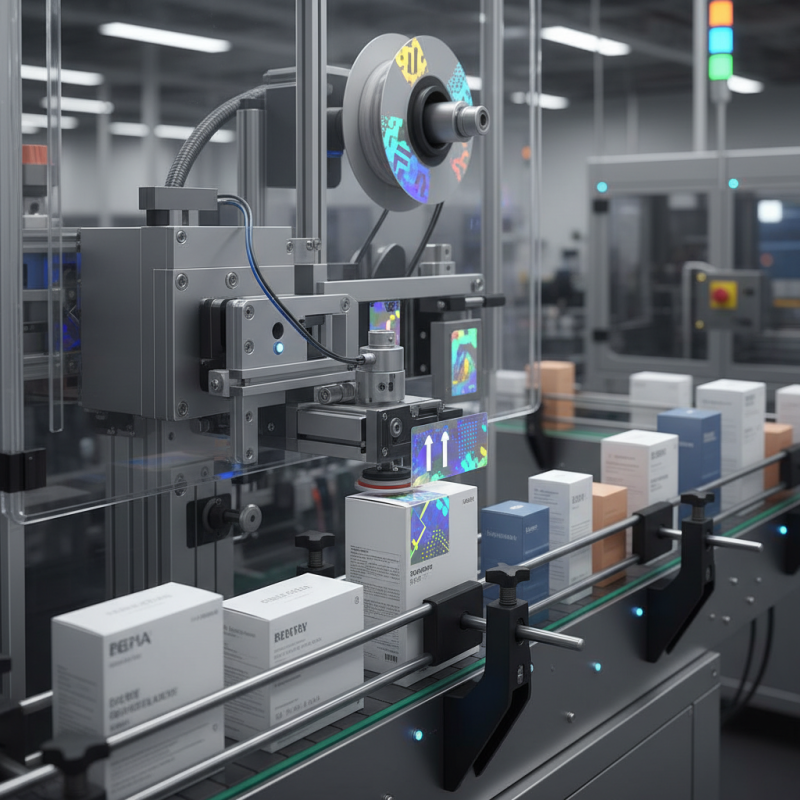
What is an Anti-Counterfeiting Label Labeling Machine?
An anti-counterfeiting label labeling machine plays a crucial role in product security. These machines are designed to apply labels that ensure authenticity and protect products from counterfeiters. In today’s market, the proliferation of fake goods has made it essential for companies to adopt reliable solutions.
These machines can print and apply various types of labels. They include holographic stickers, QR codes, and unique serial numbers. This multiplicity provides flexibility for brands to choose the best method for their products. Although they offer advanced technology, misuse or improper calibration can lead to errors. Misalignment in label application can harm a product's appearance and reliability.
The effectiveness of an anti-counterfeiting system heavily relies on the quality of the labeling process. Regular maintenance and proper training for operators are imperative. Without these measures, the technology may fall short of expectations. In an era where counterfeiting constantly evolves, companies must remain vigilant. Each step in the labeling process counts in the fight against counterfeit goods.
The Importance of Anti-Counterfeiting Measures in Modern Industries
In today's world, counterfeit products pose a significant threat across various industries. They jeopardize brand integrity, consumer safety, and revenue. Companies often invest heavily in anti-counterfeiting measures to safeguard their assets. These measures can include advanced labeling techniques that use unique features, such as holograms or QR codes, to verify authenticity.
The rise of online shopping has intensified the need for effective anti-counterfeiting solutions. Customers desire assurance about the products they purchase. A single counterfeit item can lead to negative reviews, damaging a brand's reputation. Companies must prioritize the implementation of secure labeling systems to combat this issue. The technology behind anti-counterfeiting labels has become increasingly sophisticated, incorporating elements that are difficult to replicate.
However, challenges remain in adapting these systems to different products and markets. Companies sometimes struggle to find the right balance between cost and security. Moreover, continuous innovation is crucial, as counterfeiters constantly develop new tactics. This evolving landscape requires businesses to not only invest in technology but also stay informed about trends in counterfeiting.
Key Features of Anti-Counterfeiting Label Labeling Machines
Anti-counterfeiting label labeling machines are essential for protecting brand integrity. These machines enhance product security by applying unique labels that are hard to replicate, deterring counterfeiters. As per recent industry analysis, counterfeiting costs global businesses over $500 billion annually. This alarming statistic highlights the importance of robust labeling solutions.
One key feature of these machines is their ability to print variable data, such as QR codes and holograms. This customization allows brands to track their products throughout the supply chain. Additionally, automation significantly streamlines the labeling process. According to reports, automated systems can increase labeling speeds by up to 50%, boosting overall productivity. However, implementing advanced technologies can come with high initial costs, which may deter some businesses, especially small enterprises.
Another notable feature is the integration of anti-tampering technology in labels. Many machines can apply labels that reveal tampering attempts. This feature provides consumers with confidence in the authenticity of the product. However, the effectiveness of these labels relies on consumer awareness. Many consumers remain unaware of how to check for authenticity. This gap may undermine the entire labeling effort, emphasizing the need for ongoing education in the marketplace.
Anti-Counterfeiting Label Labeling Machines: Key Features Comparison
How Anti-Counterfeiting Labeling Machines Enhance Product Security
Anti-counterfeiting labeling machines play a crucial role in safeguarding product integrity. These devices mark products with unique, secure labels that are difficult to replicate. This technology helps manufacturers verify authenticity and protect their brand reputation. The labels often incorporate advanced features like QR codes, holograms, or special inks, adding layers of security.
But the implementation isn’t without challenges. Businesses may struggle with integrating these machines into existing production lines. Training staff to properly use and maintain the machines can also be a hurdle. There is a balance to achieve between speed and security. Some companies find this difficult, facing delays in product output.
Moreover, ensuring the technology stays ahead of counterfeiters is an ongoing concern. As counterfeit techniques evolve, labeling machines must continuously improve. This requires constant research and updates. While anti-counterfeiting machines offer significant benefits, they also present complexities that need careful consideration. Continuous vigilance is necessary to keep products safe.
What is an Anti-Counterfeiting Label Labeling Machine? - How Anti-Counterfeiting Labeling Machines Enhance Product Security
| Feature | Description | Benefits |
| High Security | Employs advanced technologies like holograms, QR codes, and RFID. | Helps ensure authenticity and prevent counterfeiting. |
| Ease of Use | User-friendly interfaces and automated processes. | Reduces operational errors and increases productivity. |
| Cost-Effectiveness | Affordable options in various price ranges. | Lower long-term costs by reducing losses from counterfeiting. |
| Adaptability | Compatible with various product types and packaging. | Increases versatility in different markets. |
| Data Tracking | Integrated systems for tracking and monitoring. | Enhances supply chain transparency and accountability. |
Applications of Anti-Counterfeiting Label Labeling Machines in Various Sectors
Anti-counterfeiting label labeling machines play a crucial role in various sectors. These machines are designed to apply specialized labels that help deter counterfeit products in the market. In the food industry, for example, these labels ensure that the authenticity of organic or specialty items is maintained. They often feature unique designs that cannot be easily replicated.
In the pharmaceutical sector, anti-counterfeiting labels are essential. They provide information about the authenticity of medications. Patients rely on these labels for safety. Many countries have regulations in place for labeling, but not all manufacturers comply. This raises questions about the effectiveness of current solutions.
The technology used in these machines has advanced significantly. They now incorporate features like QR codes and holographic elements for added security. However, the design and application processes can still encounter challenges. It's important to assess the machine's efficiency regularly. Experts recommend ongoing evaluation to ensure they meet industry standards.

