Top 10 Advantages of Using HDPE Pipe for Global Buyers?
In recent years, the demand for HDPE pipes has surged globally, driven by their exceptional durability and efficiency. According to a report by Market Research Future, the HDPE pipe market is projected to reach $20 billion by 2027. This growth reflects the material's robust characteristics, making it ideal for diverse applications such as water supply, drainage, and gas distribution.
One key advantage of HDPE pipes is their resistance to corrosion and chemical leaching. Studies reveal that they can last over 50 years with minimal maintenance. In environments where metal pipes fail due to rust, HDPE pipes thrive. Furthermore, they are lightweight and easy to handle, which reduces installation costs and labor.
Despite these benefits, challenges remain. Not all engineers are fully familiar with HDPE technology. Additionally, while the initial costs may be lower, the long-term investment is often overlooked. Understanding these aspects is crucial for global buyers. Selecting HDPE pipes must involve careful considerations about the specific needs of projects and potential long-term returns.
Advantages of HDPE Pipe in Water Supply Systems
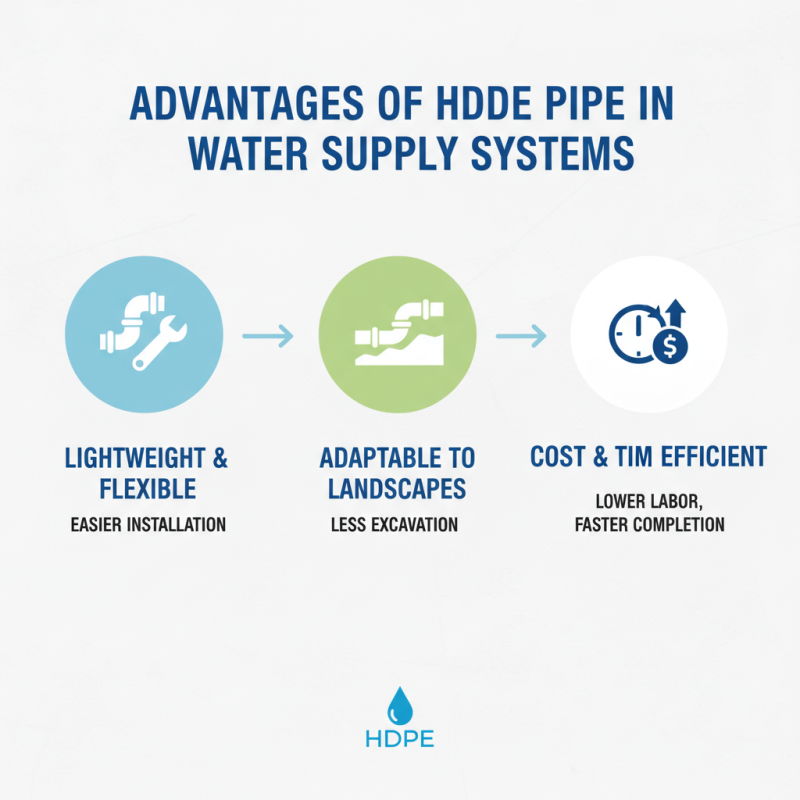
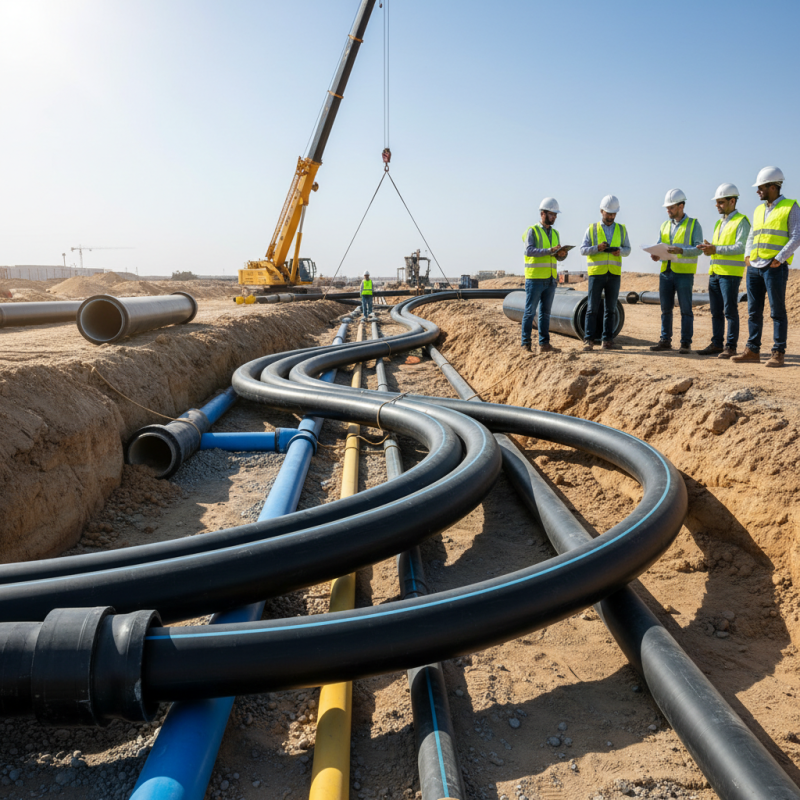
When considering water supply systems, HDPE (High-Density Polyethylene) pipes stand out for several important reasons. These pipes are lightweight and flexible, making installation easier and often quicker. HDPE pipes can easily adapt to various landscapes, reducing the need for extensive excavation. This adaptability leads to lower labor costs and faster project completion.
One major advantage of HDPE pipes is their resistance to corrosion and chemicals. Unlike traditional materials, these pipes do not rust or degrade in harsh environments. This property extends their lifespan significantly, reducing the need for frequent replacements. However, some users might be concerned about how temperature fluctuations affect performance. It’s essential to consider this in project planning.
Furthermore, HDPE pipes create fewer joints, leading to a more consistent flow of water. The smooth interior surface minimizes friction, enhancing flow efficiency. Yet, while the advantages are evident, some installation conditions require careful assessment to ensure optimal performance. This awareness can enhance the overall effectiveness of water supply systems using HDPE technology.
Durability and Longevity of HDPE Pipe Compared to Other Materials
HDPE pipe stands out for its durability and longevity. Unlike traditional materials such as PVC or metal, HDPE offers resistance to corrosion, chemicals, and extreme weather conditions. This resilience makes it an ideal choice for various applications, from municipal water systems to industrial processes.
The lifespan of HDPE pipe can exceed 50 years, significantly reducing the need for frequent replacements. This longevity translates to lower maintenance costs and decreased downtime for projects. The pipes can withstand significant pressure and impact, making them robust and reliable in challenging environments.
Here are some tips to consider when using HDPE pipe: Ensure proper installation to maximize its lifespan. Employ trained professionals who understand the unique properties of HDPE. Regularly inspect the pipes for any signs of wear, as early detection can prevent costly repairs. HDPE is a great option, but it requires careful handling and maintenance. Always plan for the specific needs of your project to fully utilize HDPE's advantages.
Top 10 Advantages of Using HDPE Pipe for Global Buyers
| Advantage |
Description |
Comparison |
| Durability |
HDPE pipes are resistant to corrosion and can last for decades. |
Longer lifespan compared to PVC and metal pipes. |
| Flexibility |
Can be easily curved and customized for various installations. |
More flexible than PVC, which is rigid and prone to breakage. |
| Cost-Effective |
Lower installation and maintenance costs over time. |
Cheaper in the long run compared to steel pipes. |
| Chemical Resistance |
Highly resistant to a range of chemicals and pollutants. |
More resistant than concrete and metal. |
| Lightweight |
Easier to transport and install than traditional materials. |
Less labor required compared to ductile iron pipes. |
| Leak-Free Joints |
Welded joints prevent leaks that are common in threaded systems. |
Superior to PVC joints, which can fail under pressure. |
| Resistance to Impact |
Withstands high-impact forces without cracking. |
Better than ceramic or glass pipes which can shatter. |
| Eco-Friendly |
Recyclable and produced with less environmental impact. |
More sustainable compared to concrete and metal production. |
| Thermal Expansion |
Minimal thermal expansion changes compared to metal. |
Stays stable across temperature changes better than PVC. |
Cost Efficiency: Initial Investment and Long-term Savings of HDPE Pipe
Cost efficiency is a critical factor for global buyers considering HDPE pipe. The initial investment in HDPE pipe is often higher than other materials. However, its long-term savings can be substantial. HDPE pipes are durable and resistant to corrosion, which reduces the need for frequent replacements. Buyers can save significantly on maintenance costs.
The installation process of HDPE pipes also contributes to cost efficiency. Their lightweight design allows for easier handling and faster installation. This can save labor costs, as fewer workers are needed on site. Additionally, the lower risk of leaks translates to reduced water loss and associated costs.
While HDPE pipe offers many advantages, some drawbacks should be considered. Not all projects may benefit from its use. In certain situations, alternative materials might be more suitable. It’s essential for buyers to evaluate their specific needs. Understanding the project’s long-term requirements is critical. This reflection can lead to better purchasing decisions and enhanced cost efficiency.
Environmental Benefits of Using HDPE Pipe in Various Applications
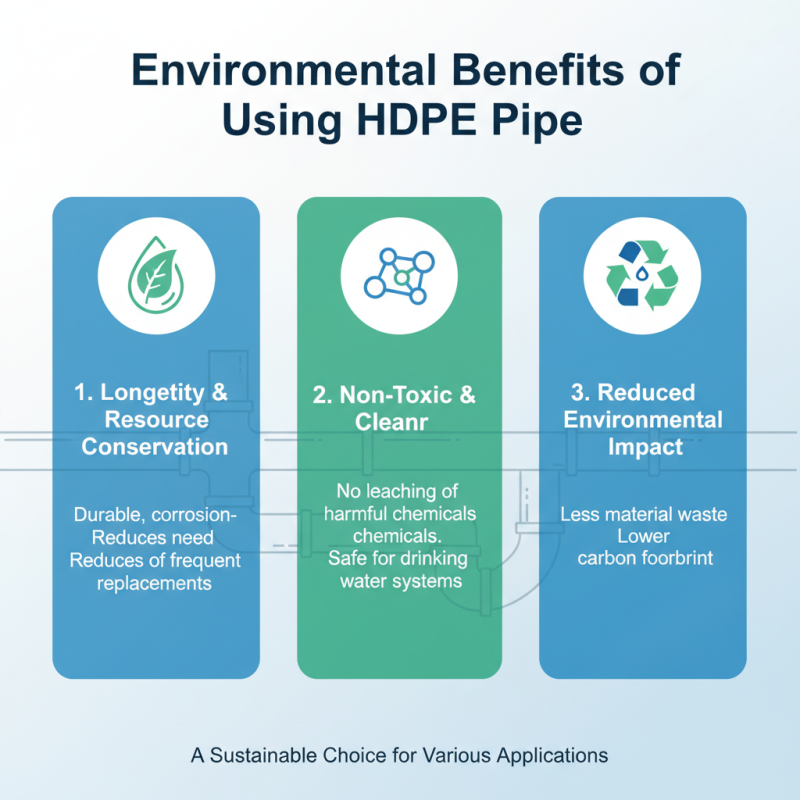
The use of HDPE pipe offers significant environmental benefits in various applications. These pipes are known for their durability and resistance to corrosion, which reduces the need for frequent replacements. Unlike traditional materials, HDPE does not leach harmful chemicals into the soil or water, making it a safer choice for drinking water systems.
Additionally, the production of HDPE pipe consumes less energy compared to metal and concrete alternatives. This leads to lower greenhouse gas emissions during manufacturing. It’s vital to note that while its longevity reduces waste, improper disposal still poses environmental challenges. The recycling potential of HDPE is an area that needs more emphasis. Although HDPE can be recycled, many facilities aren't equipped to handle this material effectively.
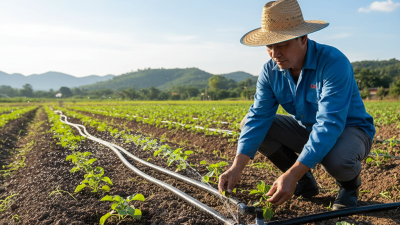
In agricultural applications, HDPE pipes help in conserving water. They minimize leakage and enhance irrigation efficiency. However, there is still progress to be made regarding public awareness about the benefits of HDPE. Education on proper use and maintenance remains essential to maximize these environmental advantages. Continuing to promote these practices is crucial for a sustainable future.
Versatility of HDPE Pipe in Industrial and Residential Uses
HDPE pipe, known for its adaptability, serves multiple sectors, from industries to homes. Its resistance to corrosion enhances lifespan, making it a reliable choice. In residential areas, HDPE pipe is ideal for water supply and drainage. According to a report by the Plastics Pipe Institute, HDPE pipes can last over 50 years, even under tough conditions.
In industrial applications, HDPE pipes support the transportation of various substances, including gases and liquids. This versatility reduces downtime in operations, which can lead to cost savings. A study by the American Society of Civil Engineers highlights that the use of HDPE in municipal projects can decrease installation costs by up to 30%. Yet, the initial investment remains a concern for some buyers.
Despite its many advantages, HDPE pipe systems can face issues during installation, particularly in cold climates where flexibility decreases. Adequate training for installation teams is crucial to avoid potential failures. Additionally, while HDPE is recyclable, not all facilities accept it, which may raise environmental questions. Thus, global buyers must weigh the benefits against these nuances.
Top 10 Advantages of Using HDPE Pipe
This bar chart showcases the top advantages of using HDPE pipes in various applications, emphasizing their versatility across industrial and residential sectors.