
7 Tips for Choosing an Organic Fertilizer Processing Plant
A reliable plant should control odors, dust, wastewater, and stormwater before problems appear. Inspect enclosed receiving areas, covered storage, and visible drainage channels. An effective odor-control system may include biofilters and logged maintenance. Ask for recent environmental inspection records, not only framed certificates. Permits vary by location. Their scope and expiration dates should match the actual operation.
Certification documents deserve careful review. Confirm the issuing body, audit date, covered processes, and renewal status. A certificate alone is not proof of good daily practice. Request evidence of soil, water, and product testing. Check how the plant prevents plastic, metal, chemical residues, and pathogens from entering finished fertilizer. Clear batch records should connect incoming materials with test results and shipment details. Traceability matters when something goes wrong.
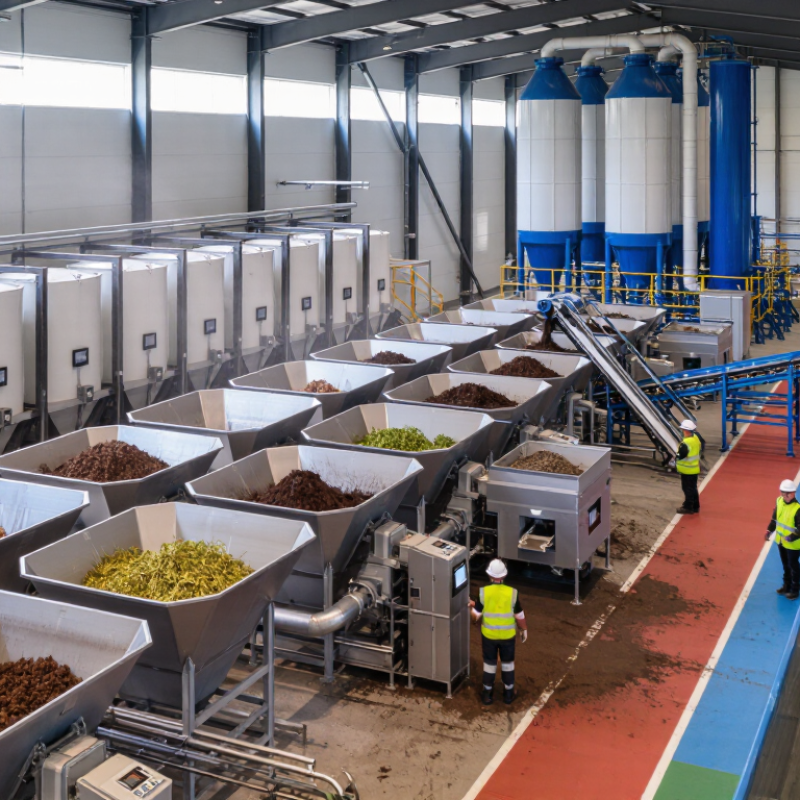
Safety standards should be visible on the production floor. Look for guarded machinery, marked walkways, emergency stops, ventilation, and suitable protective equipment. Workers should receive documented training for dust exposure, confined spaces, heat, and equipment cleaning. Ask whether emergency drills happen regularly. Sometimes, small details reveal more than polished paperwork. A missing warning label or blocked exit deserves attention. I would also ask what the plant changed after its last incident or audit. Honest answers may be imperfect, but they show practical learning.
