2026 Top Trends in Flexible PVC Pipe for Home and Industry Applications?
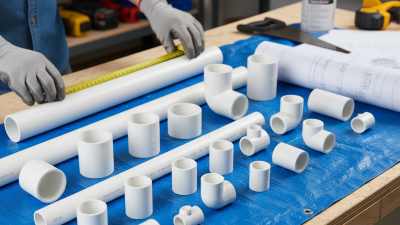
In recent years, the demand for flexible PVC pipe has surged, driven by its versatility in home and industrial applications. According to industry expert Dr. James Mason, “Flexible PVC pipe is transforming the way we approach plumbing and water management.” His insights highlight the growing importance of this material.
The emergence of flexible PVC pipe has created opportunities for innovation. Many homeowners appreciate its lightweight nature and easy installation. Meanwhile, industries are discovering its benefits in fluid transport and drainage systems. However, the rapid growth of this sector leads to challenges. Manufacturers must focus on quality control to ensure durability and sustainability.
As we approach 2026, it’s essential to recognize areas for improvement. The industry faces pressures regarding environmental impact and recycling. There’s a pressing need for eco-friendly alternatives. Balancing flexibility with function remains a key challenge. The path ahead will require careful consideration of both performance and broader implications.
Emerging Technologies Driving Innovation in Flexible PVC Pipe Manufacturing
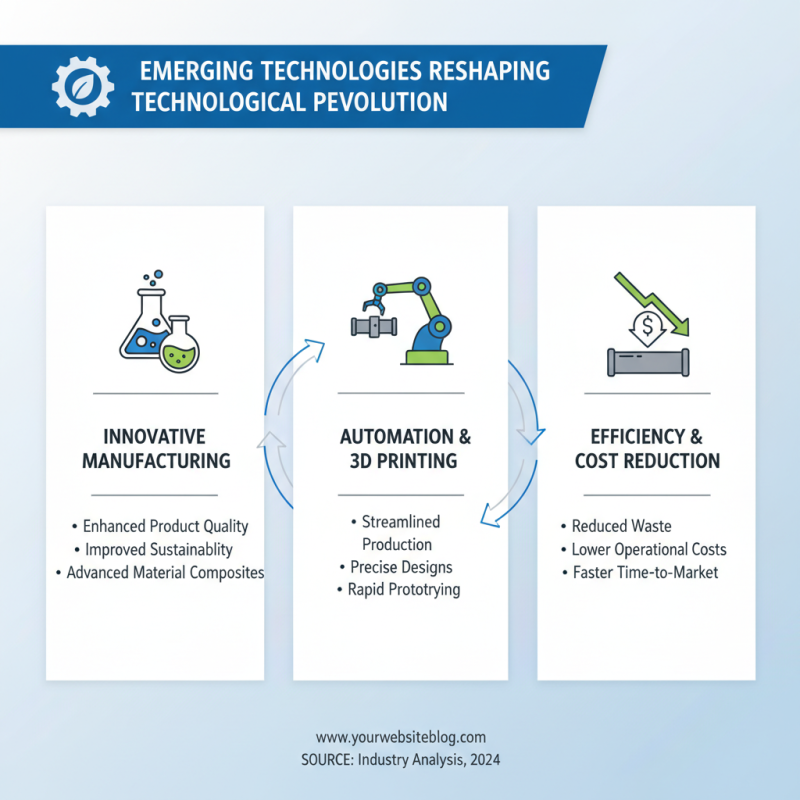
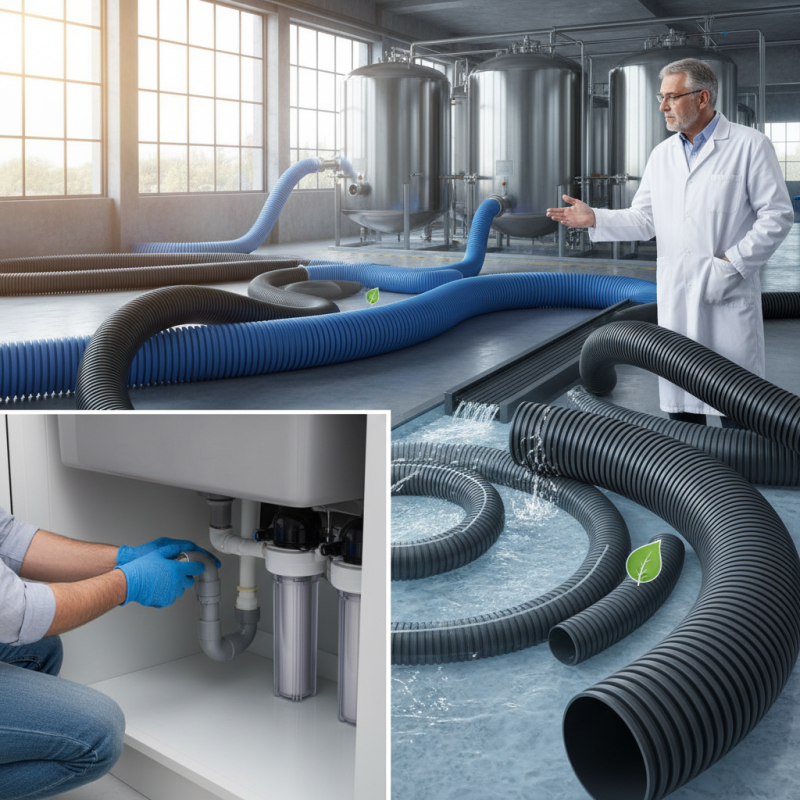
Emerging technologies are reshaping the flexible PVC pipe industry. Innovative manufacturing techniques are enhancing product quality and sustainability. Automation and 3D printing are integrating to streamline production processes. This not only boosts efficiency but also allows for more precise designs. These technologies enable manufacturers to reduce waste and lower costs.
However, the rapid pace of change can be daunting. Adapting to new methods requires investment and training. Many companies struggle to keep up. Some even find it challenging to balance innovation with existing practices. Integration issues arise, underscoring a need for effective change management.
In addition to production advancements, recycled materials are gaining traction. Using post-consumer plastics can significantly lower environmental impact. Yet, challenges exist in maintaining quality and performance. The industry must navigate these hurdles to fully embrace sustainable practices. Future developments will likely revolve around striking a balance between innovation and practicality.
Sustainability Trends in Flexible PVC Pipe Production and Recycling Solutions
In recent years, flexible PVC pipe has gained traction for its versatile applications in home and industry. A key trend is the focus on sustainability in production. Manufacturers are adopting eco-friendly practices to reduce waste and energy consumption. Recycled materials are increasingly being used in pipe production. This shift not only conserves resources but also reduces the carbon footprint.
Recycling solutions are evolving. Many facilities now process old PVC pipes into new products. However, the recycling of flexible PVC is still a challenge. The lack of uniformity in PVC products complicates the recycling process. Education on proper disposal methods is essential. Some consumers still struggle with this, leading to waste.
The push for sustainability in flexible PVC production reflects a larger trend in the industry. While progress is being made, it’s crucial to strike a balance between innovation and environmental responsibility. Awareness is growing, but more action is needed to create effective recycling programs. The journey towards sustainability is ongoing, and there is much to learn.
Key Applications of Flexible PVC Pipe in Residential and Commercial Sectors
Flexible PVC pipe is becoming essential in both residential and commercial sectors. Its versatility makes it suitable for various applications, including plumbing, drainage, and irrigation.
According to a recent market report, the global flexible PVC pipe market is projected to grow by 5% annually through 2026. This rapid growth signals a strong demand for flexible PVC solutions.
In residential areas, homeowners increasingly use flexible PVC pipe for irrigation systems and underground drainage. Its lightweight properties allow for easy installation. Many builders appreciate its corrosion resistance.
However, it is crucial to note that improper handling can lead to leaks or costly repairs. In commercial sectors, industries leverage flexible PVC pipe for chemical handling and waste disposal. A staggering 40% of commercial plumbing applications now utilize flexible PVC options.
While the advantages are clear, challenges remain. The durability of flexible PVC against extreme temperatures can be variable. This inconsistency raises concerns for some users. Additionally, environmental factors prompt many to reconsider the sustainability of flexible PVC.
Its long-term impact is a topic of ongoing debate.
Comparative Analysis: Flexible PVC vs. Other Pipe Materials in 2026
In 2026, flexible PVC pipes stand out due to their versatility and durability. They are lightweight, making installation easier. This material resists chemicals, which is crucial for both home and industrial uses. Flexible PVC is also more affordable than many alternatives, like metal pipes. However, some users report issues with brittleness over time, especially in extreme temperatures.
When compared to materials like metal or HDPE, flexible PVC has its advantages and drawbacks. Metal pipes conduct heat efficiently, but they are heavier and more costly. HDPE offers great strength, yet it can be challenging to handle and install. Flexible PVC, while easier to manage, may have a shorter lifespan when exposed to harsh environmental conditions. It's essential to weigh these factors according to the specific application needs.
While flexible PVC is popular, not all projects benefit from it. Certain high-pressure systems require stronger materials. Additionally, some users have found that installation errors can lead to leaks. Each choice presents unique challenges. Overall, careful consideration of each material's properties is crucial for successful applications.
2026 Top Trends in Flexible PVC Pipe for Home and Industry Applications
| Parameter |
Flexible PVC Pipe |
Other Pipe Materials |
| Cost |
$0.85 per foot |
$1.20 - $2.00 per foot |
| Flexibility |
High |
Low to Medium |
| Weight |
Lightweight |
Heavy |
| Chemical Resistance |
Good |
Varies |
| Temperature Resistance |
-10°C to 60°C |
-40°C to 100°C |
| Lifespan |
20-30 years |
50+ years |
| Installation Ease |
Very Easy |
Moderate to Difficult |
Market Growth Projections for Flexible PVC Pipe in Home and Industrial Use
The flexible PVC pipe market is on the rise, driven by various sectors such as construction, agriculture, and household plumbing. A recent report indicates that the global market for flexible PVC pipes is projected to grow by 4.5% annually through 2026. This growth reflects a growing demand for lightweight, durable piping solutions that are easy to install and maintain.
In home applications, flexible PVC pipes are favored for their resistance to corrosion and adaptability. They are often used in drainage systems and irrigation. Approximately 37% of the market share is attributed to residential uses. Industrial applications are also expanding. Industries appreciate the pipe's flexibility, which allows for complex layouts without compromising performance. Some sectors, like automotive and pharmaceuticals, are increasingly integrating these pipes into their systems.
However, not all projections are optimistic. The industry must tackle challenges, such as fluctuating raw material costs. Additionally, there are concerns about sustainability. Many consumers are shifting toward eco-friendly alternatives. This awareness might hinder growth. It's crucial for companies to adapt to changing consumer preferences to foster commitment and loyalty.