2026 Best PVC Pipe Fittings for Your Home Projects Guide
When planning home projects, choosing the right materials is essential. Among these materials, PVC pipe fittings play a crucial role. These fittings come in various shapes and sizes, offering versatility for numerous applications. Whether you are building a garden irrigation system or updating plumbing, understanding PVC pipe fittings can greatly enhance your project.
Selecting the best PVC pipe fittings can be daunting. With so many options available, it’s easy to overlook key details. This guide aims to simplify your choices. You will encounter different types, from elbows to tees. Each fitting serves a unique purpose, influencing the success of your project. Consider your specific needs carefully.
Reflecting on your choices can lead to better results. Ask yourself what functions you require from your fittings. Are they durable enough for your project? Mistakes happen, such as choosing the wrong size or type. It’s okay to learn from these errors. The right PVC pipe fittings can make all the difference in achieving a successful home project.
Essential Factors to Consider When Choosing PVC Pipe Fittings
When selecting PVC pipe fittings for your home projects, several essential factors come into play. Material quality is critical. Not all PVC is created equal. Higher quality fittings may have better resistance to corrosion and chemical exposure. According to a study by the Plastic Pipe and Fittings Association, up to 25% of installation issues stem from subpar materials.
Fit and compatibility matter, too. Incorrect fittings can lead to leaks and water damage. It’s essential to measure pipe diameters carefully. A report from the National Association of Home Builders indicates that improper fitting rates reach over 15% in some DIY projects. This can result in wasted materials and increased costs.
Don’t overlook the importance of pressure ratings. Fittings must withstand the specific pressure levels of your system. A mismatch could undermine the integrity of your plumbing. Also, consider the environmental impact of your choices. Opting for fittings that are recyclable may be more sustainable. Despite these guidelines, many homeowners miss these critical details. Reflecting on these aspects can save time and money in the end.
2026 Best PVC Pipe Fittings for Your Home Projects
This bar chart displays the popularity scores of various types of PVC pipe fittings based on consumer preferences and usage in home projects. Each fitting type is rated out of 100, helping you make informed decisions for your next project.
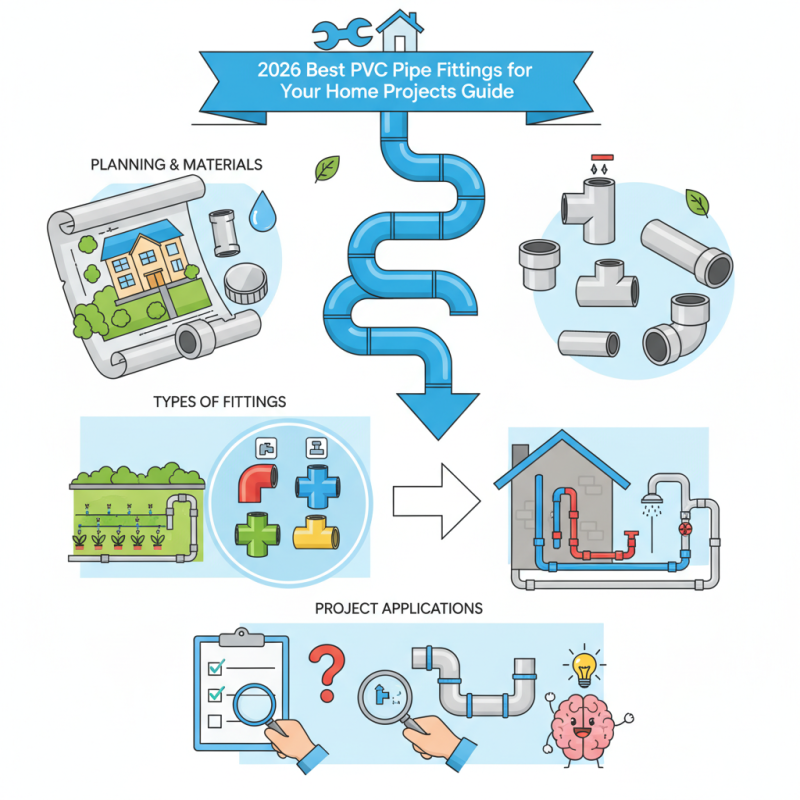
Types of PVC Pipe Fittings and Their Uses in Home Projects
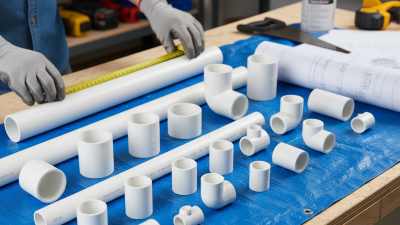
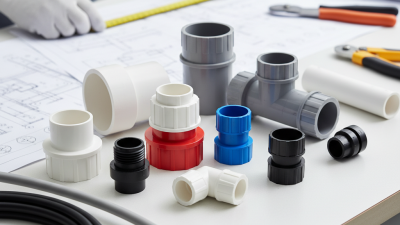
PVC pipe fittings are essential in many home projects. They connect pipes and control the flow of water and air. Understanding the different types of fittings can aid in project success.
Elbows, for instance, allow pipes to turn at angles. A 90-degree elbow is common for directing flow. They come in various sizes, making them versatile for small and large projects.
Tee fittings enable branching in multiple directions. These can be useful when you need to split water supply, like for a garden hose and a sprinkler at the same time.
However, using the wrong size can lead to issues. Sometimes, fittings may leak if not properly tightened. It's important to measure accurately before purchasing.
Ventilation fittings help in air circulation but are often overlooked. Reflecting on the materials you choose can significantly affect durability and performance.
Top Brands for Quality PVC Pipe Fittings in 2026
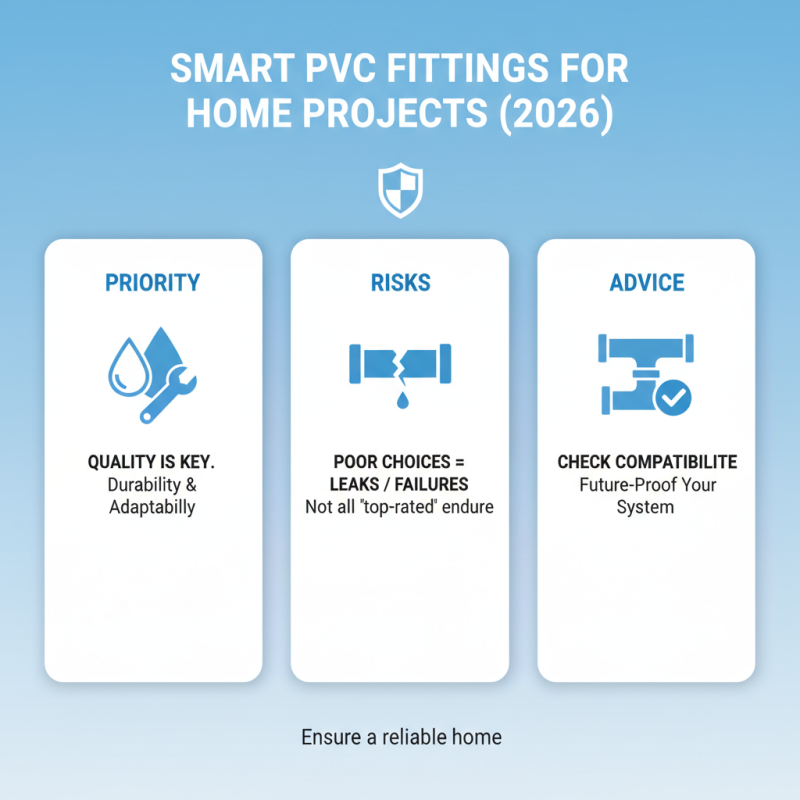
When considering PVC pipe fittings for your home projects, quality is paramount. In 2026, the market offers various options. Homeowners need to focus on durability and adaptability. Poor choices can lead to leaks or failures. Sometimes, even top-rated fittings can fall short of expectations. Remember to check for compatibility with existing systems.
Different brands bring unique features to the table. Some may offer advanced leak-proof seals. Others might have better resistance to chemical damage. It’s important to evaluate the specifications closely. Reviews can be helpful, but they are not always accurate. Personal experiences with fittings can vary significantly. Reliability is key, and sometimes trial and error is the only way to learn.
Additionally, consider the installation process. Some fittings are user-friendly, while others may require expert help. This can impact your project timeline. Ensure each fitting meets your needs. It's fine to seek help but find a balance. Trust your instincts in this DIY journey, and don't hesitate to ask questions. Quality should never be compromised, even if it means taking a bit longer to select the right components.
Installation Tips and Best Practices for PVC Pipe Fittings
When it comes to installing PVC pipe fittings, careful preparation is key. Start by gathering all necessary tools and materials. Ensure your workspace is clean. Measure the pipes accurately to avoid mistakes. An incorrect measurement can lead to wasted materials and time.
One crucial tip is to dry-fit the fittings before permanently assembling them. This step helps visualize the layout and catch any potential issues. Adjust as needed. Once satisfied, apply solvent cement generously to both the pipe and fitting. Be quick, as the adhesive sets rapidly. Always follow safety guidelines when using adhesives.
Keep in mind that connections might leak. If a fitting doesn't seem tight, do not hesitate to redo it. It's better to take the time to fix it now than face problems later. Patience pays off. Updating and improving your installation process can make future projects smoother. Reflect on what worked well and what didn't. Each project is a learning experience.
Maintenance and Troubleshooting for PVC Pipe Systems
Maintaining your PVC pipe system is essential for longevity and efficiency. Regular inspections can prevent major issues. Look for leaks or cracks. These can often be repaired with simple sealants. However, if you find significant damage, replacing parts may be necessary.
Troubleshooting can sometimes be frustrating. Clogs are a common issue in PVC systems. They can result from debris or buildup. Use a plumber's snake or a wet/dry vacuum to remove tough blockages. If that doesn’t work, consider using a natural cleaner. Harsh chemicals may harm the pipes.
Things won't always go as planned. Sometimes, after repairs, leaks may still persist. Re-check the joint fittings and ensure they are tight. You should also verify the pipe alignment. A slight misalignment can cause repeated problems. Every little detail matters when it comes to maintaining a durable PVC system.