2025 Comprehensive Guide to Plastic Pipe Fittings with Industry Insights
In the ever-evolving landscape of plumbing and construction, the significance of plastic pipe fittings has gained unprecedented attention. As reported by the Global Plastic Pipe Fittings Market Analysis 2023, the market is projected to grow at a CAGR of 4.9%, indicating a steady demand fueled by advancements in material technology and sustainable building practices. By 2025, it is estimated that the global consumption of plastic pipe fittings will reach an astounding 20 million tons, highlighting their essential role in both residential and industrial applications.
Industry expert Dr. Emily Hartman, a renowned authority on piping systems, emphasizes the transformative impact of plastic pipe fittings on the construction industry: "With their durability and resistance to corrosion, plastic pipe fittings not only enhance the lifespan of plumbing systems but also significantly contribute to resource efficiency and sustainability." As stakeholders across various sectors embrace these innovative solutions, understanding the latest industry insights and trends becomes critical for making informed decisions in 2025 and beyond.
This comprehensive guide aims to provide a meticulous overview of the top five plastic pipe fittings in the market, integrating expert analyses, statistical data, and essential insights that will empower professionals to navigate the complexities of this crucial sector effectively.

Overview of Plastic Pipe Fittings: Types and Applications
Plastic pipe fittings play a crucial role in various applications, particularly in water supply and distribution systems. The PVC pipes and fittings market, which includes materials such as UPVC, CPVC, and flexible PVC, is projected to reach a staggering USD 66.87 billion by 2030. This growth is driven by the increasing demand for reliable and cost-effective piping solutions that meet the needs of both residential and industrial sectors. The introduction of innovative products and the continuous urban development worldwide are propelling the market forward.
Moreover, CPVC pipes and fittings, known for their superior heat and pressure resistance, are gaining popularity. The global CPVC pipe and fittings market size is expanding, with a significant CAGR forecasted over the coming years. For instance, the South Korea PVC and CPVC pipe fittings market was estimated at USD 275.4 million in 2024 and is expected to grow at a CAGR of 5.4% from 2025 onwards, highlighting the regional as well as global trend in favor of plastic pipe solutions. As infrastructure projects continue to rise, the demand for durable and versatile pipe fittings will inevitably increase, indicating a robust future for the industry.
Key Materials Used in Plastic Pipe Fittings: Pros and Cons
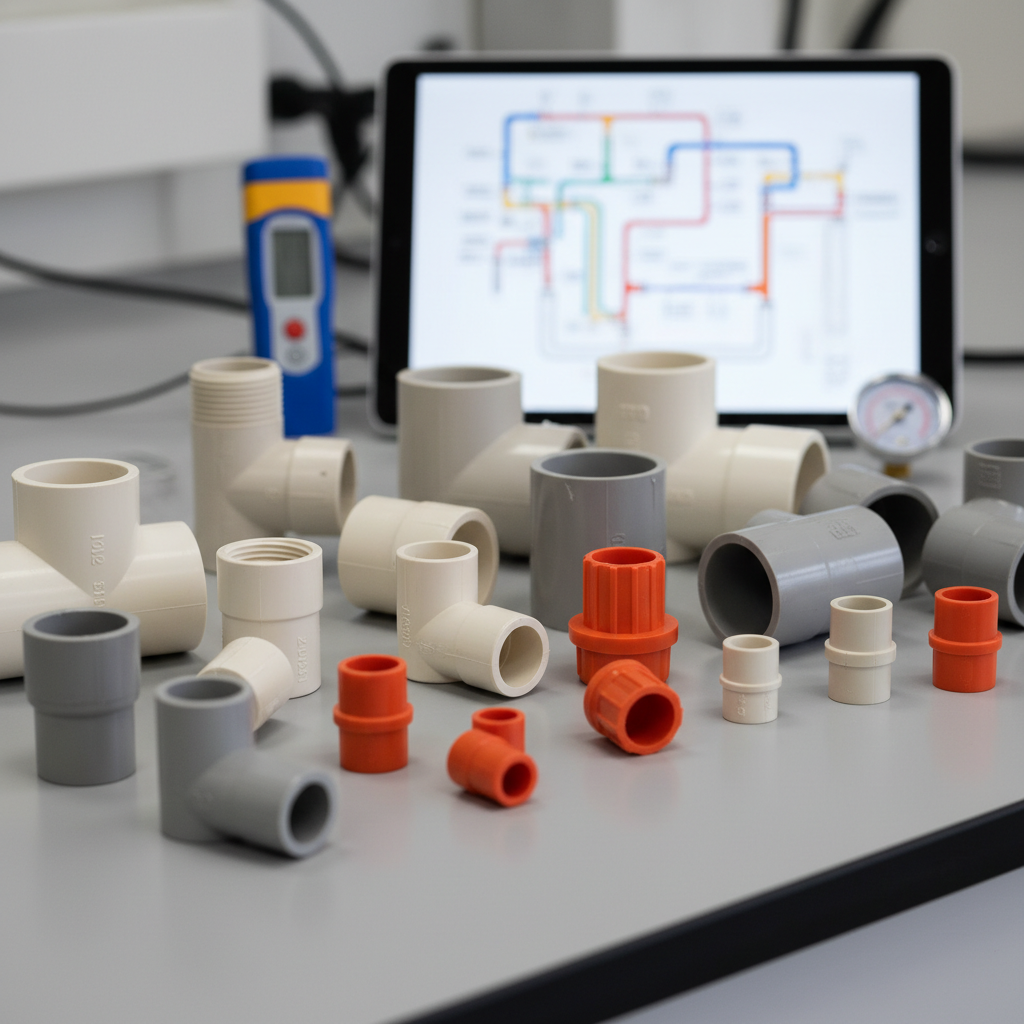
When it comes to plastic pipe fittings, understanding the key materials used is essential for making informed decisions in any plumbing project. Common materials include PVC, CPVC, and ABS, each offering distinct advantages and disadvantages. PVC, known for its durability and resistance to corrosion, is a popular choice for various applications. However, it can become brittle under UV exposure unless properly coated. CPVC, while similarly robust, can withstand higher temperatures, making it ideal for hot water applications, though it often comes with a higher price tag.
On the other hand, ABS is lightweight and easy to install, making it a favorite for drainage systems. However, it is less resilient to certain chemicals and may not be suitable for all environments. When choosing materials, consider the specific needs of your project, including temperature requirements and chemical exposure.
**Tips**: Always check compatibility when mixing fittings from different materials. Additionally, consider investing in high-quality fittings to ensure longevity and minimize maintenance costs. When in doubt, consulting with a plumbing professional can provide clarity on the best material choices for your specific application.
Industry Trends: Innovations in Plastic Pipe Fittings for 2025
The plastic pipe fittings industry is undergoing significant transformation, with innovations poised to reshape the market landscape by 2025. As projected, the PVC pipes and fittings market is expected to reach USD 66.87 billion by 2030, underscoring the increasing demand for efficient and durable piping solutions. This growth is driven by advancements in manufacturing technologies and materials, providing industry players with ample opportunities for development.
 In line with these trends, a major company has launched a $30 million research and development hub in Canada, focusing on accelerating product innovation. This investment highlights a commitment to enhancing manufacturing capabilities and developing cutting-edge solutions that respond to evolving market demands. As industry players seek to incorporate sustainable practices and improve the longevity of pipe fittings, emerging technologies will play a crucial role in meeting the challenges of the future. The ongoing innovations are set to influence not only manufacturing processes but also the overall market competitiveness within the plastic pipe fittings sector.
Best Practices for Selection and Installation of Plastic Pipe Fittings
When selecting plastic pipe fittings, it's crucial to consider the specific application and the material’s properties. According to the 2023 Plastic Pipe and Fittings Market Report, the global market for plastic fittings is expected to reach $66 billion by 2025, underscoring the growing reliance on these materials in various industries. Factors such as resistance to corrosion, temperature tolerance, and pressure ratings play a pivotal role in the decision-making process. For instance, fittings made from PVC are ideal for low-pressure applications, while CPVC can handle higher temperatures, making the proper selection essential for the longevity and safety of piping systems.
Installation practices greatly influence the performance of plastic pipe fittings. The American Society for Testing and Materials (ASTM) highlights that improper installation is the leading cause of system failures, accounting for nearly 30% of all leaks in plumbing systems. Therefore, adhering to best practices, such as using appropriate solvent cement or ensuring proper alignment to prevent stress, is vital. Additionally, a recent study published in the Journal of Plastic Engineering indicates that regular training and certification for installers can significantly reduce errors and enhance system reliability, reflecting the importance of skill and knowledge in the installation process.
Future Outlook: Sustainability and Environmental Impact of Plastic Pipe Fittings
The increasing focus on sustainability is shaping the future of the plastic pipe fittings industry, particularly through the integration of recycled materials. The global market for recycled plastics is experiencing significant growth, driven by heightened awareness of environmental impacts. Various types of recycled plastics, such as PET, HDPE, PP, and LDPE, are being utilized to manufacture pipe fittings, allowing companies to reduce their carbon footprints while meeting regulatory standards.
In particular, the valuation of the PVC market highlights the industry's shift towards incorporating sustainable practices. The global PVC market, projected to grow from $706.3 billion in 2024 to $963.2 billion by 2031, is increasingly leveraging recycled PVC sources to fulfill demand while addressing environmental concerns. This transition not only aligns with global sustainability goals but also creates opportunities for innovation within the sector, ensuring that plastic pipe fittings will remain a viable option in diverse applications while minimizing their ecological impact.
2025 Comprehensive Guide to Plastic Pipe Fittings with Industry Insights - Future Outlook: Sustainability and Environmental Impact of Plastic Pipe Fittings
| Dimension |
Value |
| Material Types |
PVC, CPVC, PP, PEX |
| Average Lifecycle |
50-100 years |
| Recyclability Rate |
30-70% |
| Carbon Footprint |
2-3 kg CO2 per kg of plastic produced |
| Use in Construction |
Over 70% of plumbing systems |
| Sustainability Initiatives |
Bio-based plastics and closed-loop recycling |
| Regulatory Standards |
ASTM, ISO 14001 |